
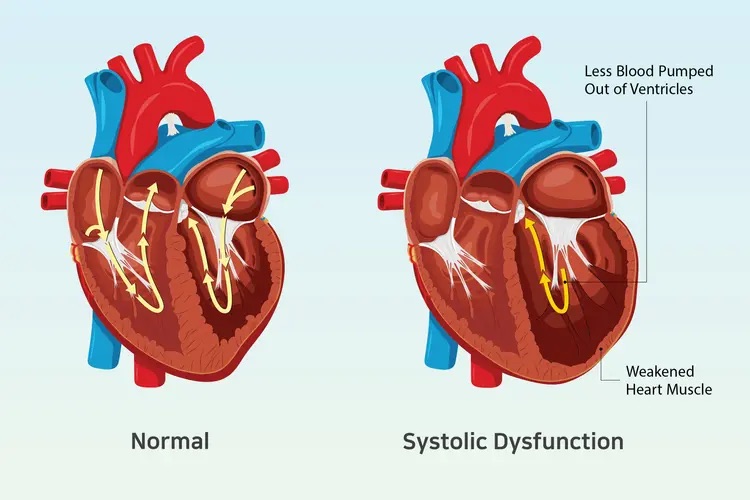
Heart failure is a chronic condition in which the heart cannot pump blood effectively. This leads to inadequate oxygen and nutrient delivery to body tissues.
Definition
Heart failure is the inability of the heart to meet the metabolic demands of the body. It may be:
- Acute – sudden onset
- Chronic – gradual progression over time

Anatomy of the Heart
- The heart has four chambers: two atria and two ventricles.
- The left ventricle pumps oxygenated blood to the body.
- The right ventricle pumps deoxygenated blood to the lungs.
Pathophysiology
Reduced cardiac output activates compensatory mechanisms such as neurohormonal stimulation. This leads to:
- Fluid retention
- Vasoconstriction
- Progressive weakening of the heart muscle
Types of Heart Failure
- Left-sided heart failure – blood backs up into the lungs
- Right-sided heart failure – causes systemic venous congestion
- Systolic failure (HFrEF) – impaired contraction
- Diastolic failure (HFpEF) – impaired relaxation
Causes
- Coronary artery disease
- Hypertension
- Valvular heart disease
- Cardiomyopathy
- Previous myocardial infarction
Risk Factors
- High blood pressure
- Diabetes
- Obesity
- Sedentary lifestyle
- Smoking
- Excessive alcohol intake
Signs & Symptoms
- Shortness of breath
- Fatigue
- Swelling of legs and ankles
- Rapid weight gain from fluid retention
- Reduced exercise tolerance
NYHA Functional Classification
- Class I – No limitation of physical activity
- Class II – Symptoms with moderate activity
- Class III – Symptoms with minimal activity
- Class IV – Symptoms at rest
Diagnosis
- Clinical history and physical examination
- Echocardiography
- BNP blood test
- Chest X-ray
- ECG
- Stress testing if indicated
Management
Lifestyle Measures
- Low-sodium diet
- Daily weight monitoring
- Regular moderate exercise
- Smoking cessation
- Limit alcohol intake
Medications
- ACE inhibitors
- Beta-blockers
- Diuretics
- Advanced therapies (ARNI, SGLT2 inhibitors, devices)
Complications
- Kidney impairment
- Arrhythmias
- Pulmonary edema
- Cardiogenic shock
Prevention
- Control blood pressure
- Manage diabetes
- Maintain healthy weight
- Exercise regularly
- Avoid smoking
- Moderate alcohol consumption
Prognosis
Prognosis depends on severity, underlying cause, and adherence to treatment. Early diagnosis and proper management significantly improve long-term outcomes.