
What Is Cysteine?
Cysteine is a semi-essential amino acid that your body can produce, but only when it has enough key nutrients such as vitamin B6, folate, and methionine. It is one of the main building blocks of glutathione—the most powerful antioxidant your body makes on its own.
Because cysteine supports detoxification, immunity, and healthy tissue repair, it plays a central role in energy, resilience, and overall metabolic health.
Why Cysteine Matters
Cysteine keeps your body functioning at its best. You need it for antioxidant defense, liver detoxification, protein structure, and a strong immune system. When cysteine levels are low, your body struggles to produce enough glutathione, leaving you more vulnerable to oxidative stress, inflammation, and chronic metabolic issues.
- Efficient detoxification through glutathione pathways
- Stable energy production in the mitochondria
- Stronger immune response
- Healthier hair, skin, and nails
- Better recovery from inflammation or illness
- Gut lining protection and reduced leaky gut risk
Cysteine and Gut Health
Your gut relies heavily on cysteine. The amino acid helps build and maintain the mucous layer that protects the intestinal lining. This barrier prevents inflammatory particles from leaking into the bloodstream and keeps the gut microbiome balanced.
By supporting glutathione production, cysteine also reduces oxidative stress inside the gut, which improves digestion, nutrient absorption, and long-term metabolic stability.
How Low-Carb Nutrition Supports Cysteine and Glutathione
A low-carb, higher-fat diet helps stabilize blood sugar and reduces the oxidative stress caused by chronic high glucose. When glucose levels swing up and down, the body burns through glutathione faster. Keeping carbs low allows cysteine and glutathione levels to remain steady, improving cellular protection.
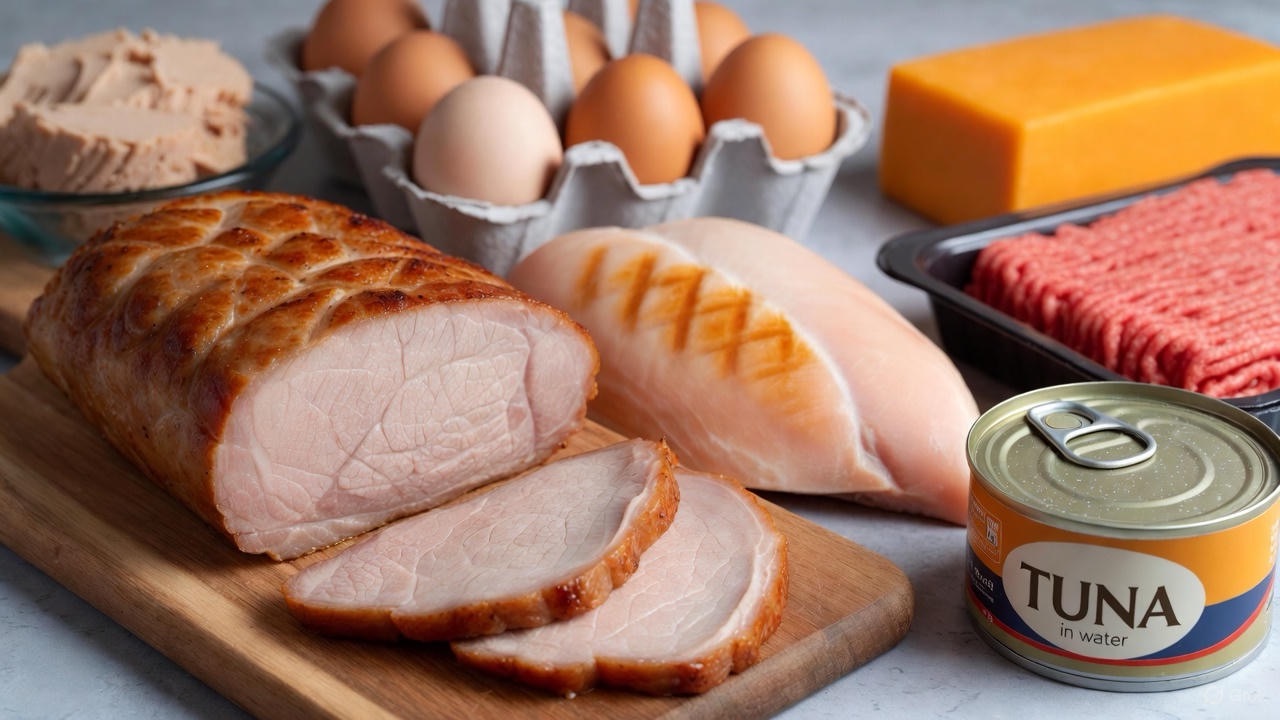
Low-carb diets are also naturally rich in animal proteins—eggs, poultry, meat, seafood—which are the most efficient dietary sources of cysteine.
Top Foods Highest in Cysteine
Here are several cysteine-rich foods, listed with the approximate amount of cysteine per 100 grams:
- Pork: around 350 mg
- Chicken breast: around 220 mg
- Tuna: around 180 mg
- Turkey: around 210 mg
- Eggs: around 150 mg
- Cheddar cheese: around 130 mg
- Broccoli: around 100 mg
- Sunflower seeds: around 140 mg
Animal-based sources generally offer higher-quality cysteine because they come with complete amino acid profiles, better absorption, and the nutrients required to convert cysteine into glutathione.
Why This Matters for Long-Term Health
Maintaining strong cysteine levels supports detox pathways, gut integrity, immune strength, and metabolic flexibility. Together with a low-carb lifestyle, cysteine-rich nutrition reduces inflammation and strengthens your natural antioxidant system.
Good cysteine intake is a powerful step toward stable energy, better gut health, and stronger protection against chronic metabolic diseases.