
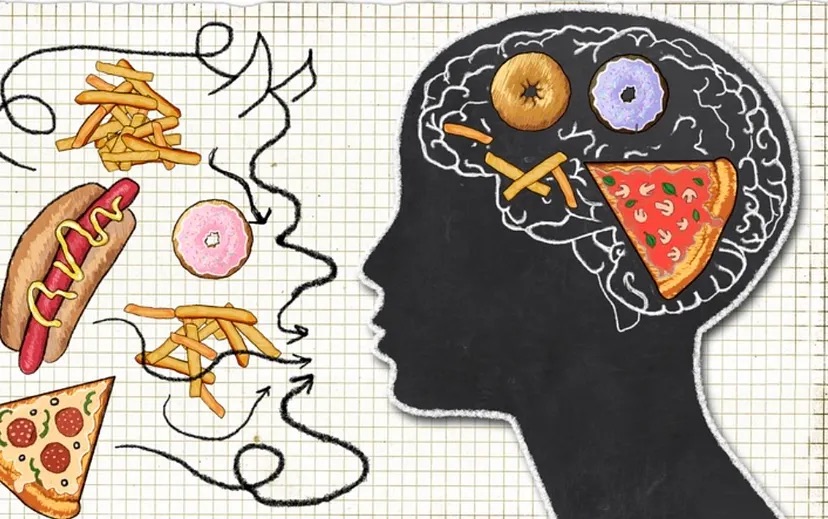
Why do we sometimes feel hungry even after eating—or before a meal even starts? The answer lies in cephalic hunger—a hunger not driven by physical need, but by mental and sensory cues. Understanding this type of hunger is crucial for anyone pursuing weight loss, fasting, or a low-carb high-fat (LCHF) lifestyle.
What Is Cephalic Hunger?
The word “cephalic” comes from the Greek word for “head,” meaning this type of hunger originates in the brain—not the stomach. It’s driven by things like:
- Seeing or smelling food
- Thinking about food
- Watching cooking videos or advertisements
- Environmental cues (restaurants, social settings, etc.)
These stimuli can trigger a hunger response—even if the body doesn’t actually need energy.
The Science: Cephalic Phase Responses (CPRs)
When your brain detects food through sight, smell, or thought, it activates a cascade of digestive and hormonal changes even before food is eaten. This is called the Cephalic Phase Response (CPR).
During CPR, your body may:
- Start producing insulin
- Stimulate saliva and digestive enzymes
- Increase pancreatic activity and gastric acid
This prepares your body for digestion, but it also makes you feel hungrier, regardless of your actual caloric needs.
Cephalic Hunger and Weight Management
Modern food environments are full of cephalic triggers. From TV commercials to Instagram posts, these constant cues can lead to:
- Overeating due to constant hunger signals
- Increased insulin release from sweet flavors (even zero-calorie drinks)
- Stronger food cravings due to mental conditioning
This explains why some people feel “hungry all the time” even when they’re well-fed. It’s not a willpower problem—it’s a brain chemistry problem.
How to Reduce Cephalic Hunger
If you’re following intermittent fasting or an LCHF approach, here are strategies to reduce cephalic hunger:
- Avoid food imagery and smells: Don’t scroll food reels or walk past bakeries when fasting.
- Limit artificially sweetened drinks: Even without calories, they may trigger CPR and hunger.
- Use mental distraction: Drink plain tea, black coffee, or stay engaged. Most hunger waves last only 10–15 minutes.
Cephalic Hunger and Low-Carb Diets
If you’re already eating low-carb, high-fat, you’ve likely stabilized your blood sugar and reduced physical hunger. But to go further, address cephalic hunger by:
- Removing food-based entertainment (YouTube food videos, TikTok recipes)
- Eating mindfully in low-stimulation environments
- Training your brain to respond only to true hunger signals
Summary: Understanding Hunger From the Brain Down
Concept Explanation Cephalic Hunger Hunger triggered by the brain through senses and environment CPR (Cephalic Phase Response) Physiological responses before eating—salivation, insulin, gastric acid Modern Environment Constant food cues increase hunger even without energy need LCHF Strategy Reduce artificial triggers to complement metabolic hunger control
Final Thoughts
Cephalic hunger shows us that hunger is often psychological, not physiological. When you’re aware of these triggers, you can avoid unnecessary cravings, make fasting easier, and support long-term fat adaptation. True mastery over hunger starts in the mind.
👉 Want to Learn More?
Check out our guide to intermittent fasting and LCHF basics to take control of your hunger and energy.
References: