
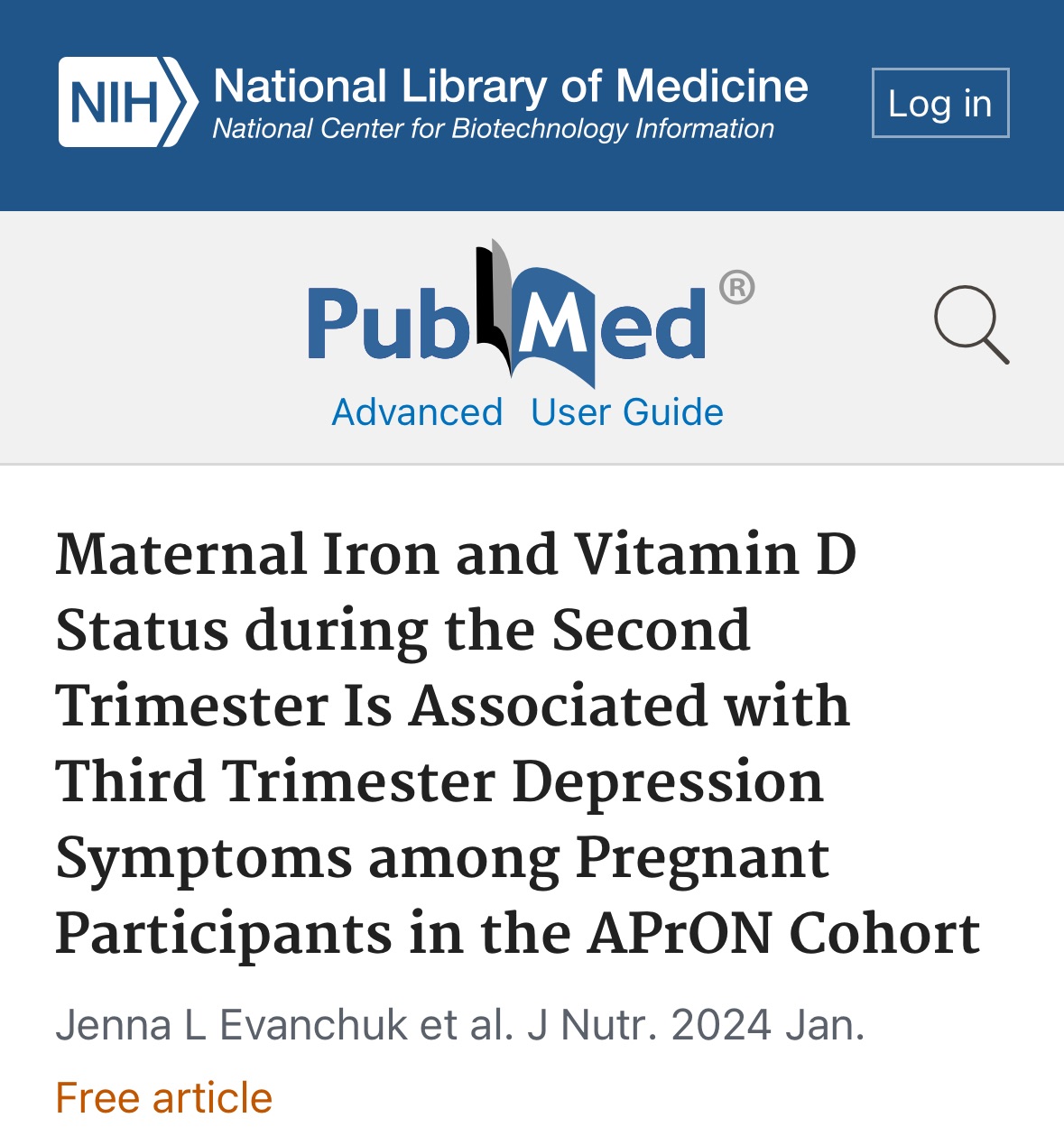
Pregnancy is a time of profound physical and emotional change. For many women, it’s also a period marked by increased vulnerability to mood disorders—particularly depression. A major study published in The Journal of Nutrition in January 2024 has added new insight into the link between micronutrients and maternal mental health. Drawing from nearly 2,000 participants in the Alberta Pregnancy Outcomes and Nutrition (APrON) cohort, this research found that women with higher levels of iron and vitamin D during mid-pregnancy experienced fewer depressive symptoms in their third trimester.
The researchers assessed blood levels of key biomarkers during the second trimester. For iron status, they measured serum ferritin, hepcidin, and soluble transferrin receptor (sTfR). For vitamin D, they measured 25-hydroxyvitamin D₃ (25(OH)D₃) and its epimer. Later, depression symptoms were assessed using the Edinburgh Postnatal Depression Scale (EPDS) in the third trimester and again at three months postpartum.
What they discovered was clear and significant: higher iron stores and higher vitamin D levels were both independently associated with lower depression scores during late pregnancy. Moreover, women with both low iron and low vitamin D had the highest risk of elevated depressive symptoms. Even those with low iron but adequate vitamin D were at increased risk—highlighting the critical role iron plays in maternal mood regulation.
These findings are consistent with the known biological roles of iron and vitamin D in the brain. Iron is vital for the synthesis of neurotransmitters like serotonin, dopamine, and norepinephrine—all of which play key roles in emotional stability. Vitamin D, meanwhile, affects brain function by modulating inflammation and supporting neuroendocrine signaling. Inadequate levels of either can disrupt brain chemistry and increase vulnerability to mood disorders.
Beyond the scientific data, the study also has real-world implications. Nutrient deficiencies during pregnancy are common, even in well-resourced countries. Iron deficiency is especially prevalent in pregnant women due to increased demands from the developing fetus. Vitamin D deficiency is also widespread, particularly in areas with limited sunlight exposure or in individuals with darker skin tones. The good news is that both iron and vitamin D levels can be improved through diet, lifestyle, and targeted supplementation.
For iron, focus on foods rich in heme iron, which is more bioavailable than non-heme iron. Excellent sources include beef, lamb, chicken liver, duck, sardines, anchovies, and shellfish like clams and mussels. For those following a more plant-based diet, include spinach, tofu, lentils, pumpkin seeds, and tempeh, although these provide non-heme iron, which is absorbed less efficiently. To improve non-heme iron absorption, pair these foods with vitamin C-rich items like bell peppers, lemon juice, or strawberries.
Vitamin D, on the other hand, is unique because sunlight is a major natural source. Just 10 to 30 minutes of direct sun exposure on the face, arms, and legs, a few times a week, can help maintain sufficient levels—depending on skin tone, location, and season. However, sunscreen, indoor lifestyles, and northern latitudes can make this difficult. That’s why vitamin D–rich foods such as egg yolks, oily fish (like salmon, mackerel, and sardines), cod liver oil, and fortified products like dairy or plant-based milks can help. In some cases, supplementation may be necessary, especially during winter months or in those already deficient.
This study’s conclusions support a growing recognition that nutritional status plays a central role in emotional health during pregnancy. Ensuring adequate intake of iron and vitamin D isn’t just about preventing anemia or rickets—it’s about protecting the mother’s mental resilience during one of the most vulnerable times of her life. Routine screening and nutritional counseling could become powerful tools in preventing perinatal depression, especially in women already at risk.
While this research is observational and cannot establish causality, its large sample size, biomarker precision, and rigorous analysis make the findings highly relevant for clinical and public health settings. Future randomized controlled trials may help solidify guidelines, but this evidence already points clearly in one direction: supporting maternal nutrition is essential for mental health.
In summary, this study reinforces that iron and vitamin D are more than nutrients—they’re protective factors against perinatal depression. Simple interventions like eating nutrient-dense foods and getting regular sun exposure could have far-reaching effects on emotional well-being. For healthcare providers and mothers alike, this presents a clear call to action: optimize micronutrient status early and consistently during pregnancy to support not just physical outcomes, but mental health as well.