
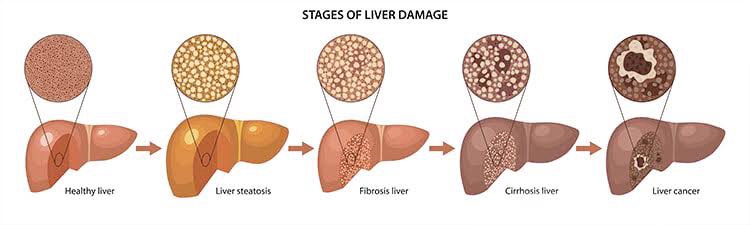
Non-Alcoholic Fatty Liver Disease (NAFLD) is a condition where excess fat accumulates in the liver in people who consume little or no alcohol. It is one of the most common liver disorders worldwide and is closely linked to metabolic problems.
Definition
NAFLD represents a spectrum of liver disorders:
- Simple Fatty Liver (Steatosis) – Fat accumulation without significant inflammation.
- Non-Alcoholic Steatohepatitis (NASH) – Fat accumulation with inflammation and liver cell injury.
- Fibrosis – Formation of scar tissue due to ongoing inflammation.
- Cirrhosis – Advanced scarring that disrupts liver function.
NAFLD is not related to heavy alcohol consumption.

Causes / Risk Factors
- Obesity and overweight
- Type 2 Diabetes Mellitus
- High cholesterol and triglycerides
- Metabolic syndrome
- Sedentary lifestyle
Pathophysiology
- Insulin resistance leads to fat accumulation in liver cells (hepatocytes).
- Oxidative stress triggers inflammation and liver cell damage.
- Chronic inflammation may progress to fibrosis and cirrhosis.
Signs and Symptoms
- Often asymptomatic in early stages
- Fatigue and general weakness
- Right upper abdominal discomfort
- Possible hepatomegaly (enlarged liver)
Diagnosis
- Elevated liver enzymes in blood tests (ALT, AST)
- Ultrasound or CT scan showing fatty infiltration
- Liver biopsy confirms NASH and severity
Complications
- Progression to cirrhosis
- Liver failure
- Increased risk of liver cancer
Management
- Weight reduction through proper diet and exercise
- Control of blood sugar and lipid levels
- Avoid alcohol and hepatotoxic medications
- Vitamin E or selected medications in certain cases
Prevention
- Maintain healthy body weight
- Regular physical activity
- Diet low in refined carbohydrates and sugars
- Routine health screening
Conclusion
NAFLD is common and often silent but can progress to serious liver disease. Early lifestyle modification plays a critical role in preventing complications.