
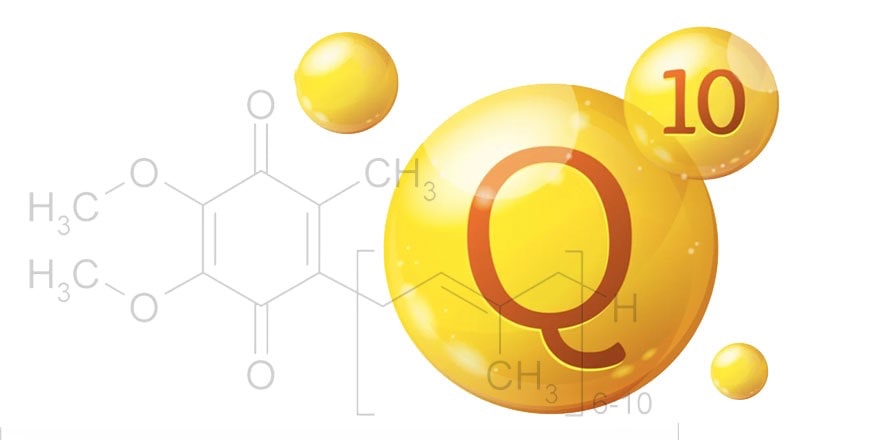
Low mood and persistent fatigue are no longer rare problems. They affect millions of people worldwide and often go hand in hand with chronic inflammation, metabolic dysfunction, and impaired cellular energy. In recent years, researchers have turned their attention to a naturally occurring compound in the body—Coenzyme Q10 (CoQ10)—to see whether it may support mental and physical wellbeing.
A newly published systematic review and meta-analysis indexed on PubMed (PMID: 41294251) takes a closer look at this question, focusing on CoQ10’s effects on depressive symptoms and fatigue.
What Did the Study Examine?
The researchers analyzed five randomized controlled trials (RCTs), which represent one of the highest standards of clinical evidence. The goal was to evaluate whether CoQ10 supplementation had measurable effects on:
- Depressive symptoms
- Fatigue
Importantly, the participants were drawn from diverse clinical backgrounds, including:
- Major depressive disorder and bipolar depression
- Polycystic ovary syndrome (PCOS)
- Multiple sclerosis (MS)
- Breast cancer
This diversity makes the findings more relevant to real-world populations, where depression and fatigue often coexist with chronic illness.
Key Finding #1: CoQ10 May Reduce Depressive Symptoms
When results from all five trials were combined, participants who received CoQ10 showed a statistically significant improvement in depressive symptoms compared to control groups.
The effect size was moderate, not dramatic, but it was consistent across different populations. This suggests that CoQ10 may offer genuine mood-supporting benefits, particularly in individuals whose depression may be linked to metabolic stress or impaired energy production.
Key Finding #2: Effects on Fatigue Remain Unclear
Fatigue is a common and debilitating symptom in both depression and chronic disease. However, only two of the included trials assessed fatigue in a way that allowed pooled analysis.
The combined results showed no statistically significant improvement in fatigue with CoQ10 supplementation.
This does not mean CoQ10 has no effect on fatigue—it simply means the current evidence is limited and inconsistent. More well-designed studies are needed before firm conclusions can be drawn.
Why Might CoQ10 Help With Mood?
From a biological perspective, these findings are plausible.
- Mitochondrial function: Depression has increasingly been linked to impaired cellular energy metabolism. CoQ10 plays a central role in ATP production within mitochondria.
- Antioxidant effects: Oxidative stress is commonly elevated in depressive disorders, and CoQ10 is a powerful endogenous antioxidant.
- Inflammation regulation: Chronic low-grade inflammation can interfere with neurotransmitter function and mood stability. CoQ10 has been shown to exert anti-inflammatory effects.
What Does This Mean for Everyday Practice?
CoQ10 may be worth discussing with a healthcare professional if you:
- Experience persistent low mood alongside metabolic or inflammatory conditions
- Are interested in nutritional or lifestyle-based approaches to mental health
- Wish to complement, not replace, conventional treatment strategies
That said, it is important to be clear and realistic:
- Current evidence supports CoQ10 as a supportive or adjunct option, not a standalone treatment
- Benefits for fatigue remain uncertain at this stage
Conclusion
This systematic review and meta-analysis provides encouraging evidence that Coenzyme Q10 supplementation may help improve depressive symptoms, especially when depression is linked to metabolic stress, inflammation, or mitochondrial dysfunction.
Its effects on fatigue are still unclear, highlighting the need for larger and longer-term studies.
Overall, the findings reinforce an important message: mental health is deeply connected to cellular energy, inflammation, and metabolic health. Supporting the body at this level may play a meaningful role in emotional wellbeing.