
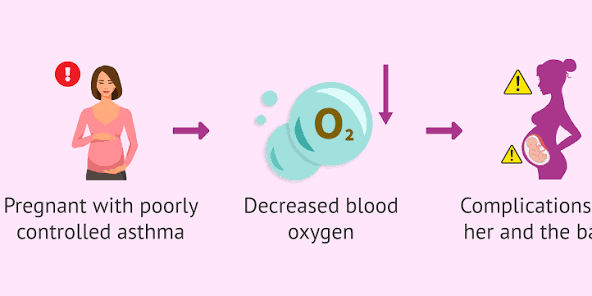
Asthma is one of the most common chronic medical conditions seen during pregnancy. The key issue is not the medication — it is uncontrolled airway inflammation.
When a mother’s oxygen level drops, the baby’s oxygen level drops too. That is why proper asthma control is essential throughout pregnancy.
What Is Asthma?
Asthma is a chronic inflammatory disease of the airways characterized by:
- Reversible airflow obstruction
- Bronchial hyperresponsiveness
- Wheezing, breathlessness, chest tightness, and cough
Good disease control during pregnancy directly improves perinatal outcomes.
How Common Is It?
- Affects about 4–8% of pregnant women worldwide
- One of the most common chronic disorders complicating pregnancy
- Uncontrolled asthma increases obstetric risks
Why Pregnancy Changes Everything
Pregnancy increases oxygen demand by 20–30%. The diaphragm is elevated, and lung capacity slightly changes. Progesterone also increases respiratory drive.
These normal changes mean poorly controlled asthma can have a bigger impact during pregnancy.
Possible Maternal Complications
- Preeclampsia
- Gestational hypertension
- Severe asthma exacerbations
- Maternal hypoxia during acute attacks
Possible Fetal Complications
- Intrauterine growth restriction (IUGR)
- Preterm birth
- Low birth weight
- Fetal hypoxia
The good news? Proper asthma treatment significantly reduces these risks.
Symptoms During Pregnancy
Asthma symptoms may improve, worsen, or remain unchanged. Common symptoms include:
- Wheezing
- Shortness of breath
- Chest tightness
- Persistent cough
Diagnosis & Monitoring
- Clinical history and physical examination
- Spirometry showing reversible airflow obstruction
- Peak expiratory flow monitoring
Regular antenatal follow-up is essential.
Treatment: Do Not Stop Medication
Many women fear using inhalers during pregnancy. This is a mistake.
Uncontrolled asthma is far more dangerous than prescribed medication.
First-Line Treatment
- Inhaled corticosteroids (ICS) for maintenance
- Short-acting β2-agonists (SABA) for quick relief
- LABA added if control is inadequate
Medication Safety
- Budesonide is the preferred ICS in pregnancy
- Salbutamol is safe for rescue use
- Benefits outweigh risks when asthma is controlled
Management of Acute Attack
- Oxygen therapy (maintain saturation >95%)
- Inhaled SABA immediately
- Systemic corticosteroids if needed
- Maternal and fetal monitoring
Stabilizing the mother always stabilizes the baby.
Non-Drug Measures
- Avoid allergens and triggers
- Stop smoking
- Review inhaler technique regularly
- Ensure medication adherence
Final Thoughts
Well-controlled asthma is fully compatible with a healthy pregnancy.
The goal is not to reduce medication. The goal is to prevent inflammation and hypoxia.
Healthy mother. Healthy baby.