
Whenever low-carb comes up, the first reaction people have is usually “so I have to starve myself?” If that’s your gut reaction too, chances are you’re starting off on the wrong foot. Low-carb was never about eating less — it’s about eating right. Get that part right, blood sugar stabilizes, insulin stops spiking all over the place, and your body naturally starts giving back the extra fat it’s been holding onto.
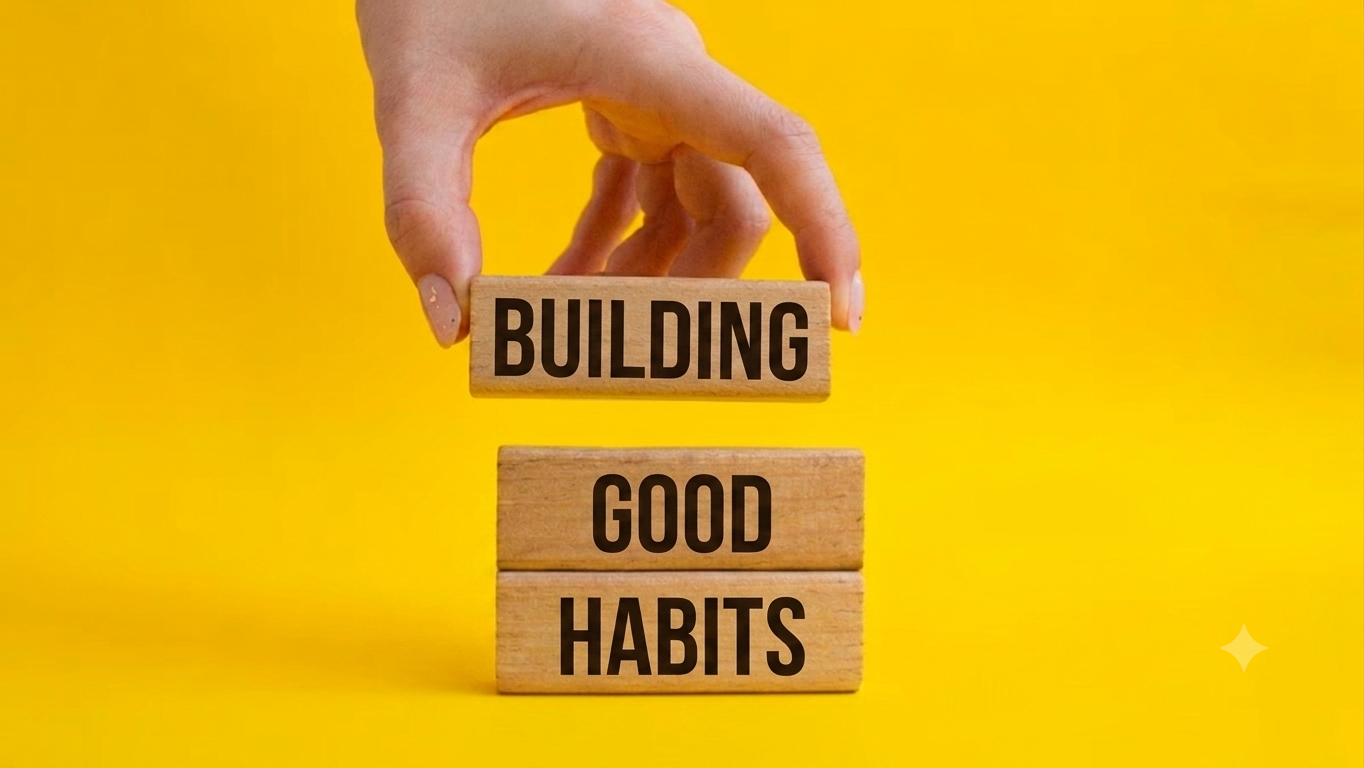
Below are 30 habits I actually use myself and keep sharing with friends and students. None of this is complicated theory — it’s all stuff you can start doing today. You don’t need to nail all 30 at once. Pick a few, build them into habits, and the results will surprise you.
What and how you eat
1. Eat protein first at every meal. Getting protein in early flattens the blood sugar curve a lot, and you won’t get hungry as fast.
2. Include natural healthy fats at every meal. Avocado, olive oil, nuts, animal fats — these are raw materials your body needs, not the enemy.
3. Load up on non-starchy vegetables. Leafy greens, broccoli, eggplant — high in fiber, filling, and easy on blood sugar.
4. Cut back on refined carbs. White rice, white bread, noodles — these spike blood sugar fast, and you’re hungry again not long after.
5. Quit sugary drinks. Bubble tea, soda — liquid sugar is one of the fastest ways to throw your blood sugar off, and quitting it is one of the first changes you’ll actually feel.
6. Don’t treat juice as a health drink. Even freshly squeezed, the sugar is still concentrated and the fiber’s been stripped out — it’s not much better than drinking sugar water.
7. Choose whole foods. If you can still tell what it originally looked like, it’s almost always the safer choice.
8. Cut back on ultra-processed food. The fancier the packaging and the longer the ingredient list, the further it usually is from actual food.
9. Learn to read nutrition labels. This is basic self-defense — if you can’t read a label, marketing language will run circles around you.
Environment and preparation
10. Never grocery shop hungry. Push a cart on an empty stomach and nine times out of ten your basket ends up full of things you didn’t need.
11. Keep healthy low-carb food stocked at home. Whatever’s in your fridge is what you’ll eat. Let your environment do the work instead of relying on willpower.
12. Plan your meals before heading out. Especially if you eat out a lot — deciding ahead of time beats scrambling to choose once you’re already there.
13. Order meat and vegetables first at group meals. Save the starches for last, or skip them altogether — just changing the order you order in changes the whole meal.
Eating rhythm
14. Eat because you’re hungry, not because you’re bored. A lot of cravings are really emotions or habit talking, not your body actually needing energy.
15. Stop at 70-80% full. Eating until you’re stuffed is just extra load on your body for no real benefit.
16. Chew slowly, eat slowly. Your brain needs time to register “I’m full” — eating too fast means you’re shoveling in food before that signal even arrives.
Basic physiological needs
17. Drink enough water every day. A lot of people can’t tell thirst from hunger, and end up eating something they didn’t actually need.
18. Pay attention to electrolytes — sodium, potassium, magnesium. Early on in low-carb, electrolyte deficiency is common. Dizziness, cramps, fatigue — that’s usually the reason, not “low-carb doesn’t work for you.”
19. Get enough sleep. Skimp on sleep and your hunger hormones go haywire the next day, especially cravings for sugar and starch.
20. Get some sunlight every day. Sunlight ties into metabolism, mood, and sleep quality — don’t underestimate this small thing.
Movement and training
21. Walk or stay active every day. Doesn’t need to be intense — walking works, the key word is “every day.”
22. Do resistance training 2-3 times a week. Muscle mass is your metabolic capital, and it matters more and more as you age.
Mindset and staying the course
23. Learn to manage stress. Stress hormones go up, blood sugar follows — this is a piece people overlook constantly.
24. Don’t treat dessert as a reward. “I did well today, I deserve a treat” — that thinking actually reinforces the sugar-equals-happiness link, making it harder to break.
25. Don’t fall for “low-fat” labels. Low-fat usually means more sugar was added to make up for the lost flavor — if anything, that label should make you more cautious, not less.
26. Don’t quit just because you slipped once. One bad meal doesn’t mean the whole plan failed. Just get back on track next meal.
27. Track your progress — waist measurement, weight, or bloodwork, regularly. Data tells you if you’re headed the right direction. Don’t just go by feel.
28. Learn the actual nutrition science instead of chasing trends. What works for someone else won’t necessarily work for you. Understand the “why” and you’ll know how to adjust it to fit yourself.
29. Find family or friends who support you and do this together. Doing it alone is exhausting. Having people alongside you makes it a lot easier to go the distance.
30. Treat low-carb as a long-term way of living, not a short-term diet. This might be the most important one on the list. Low-carb isn’t a 3-month challenge — it’s the answer to how you’re going to eat for the next few decades.
You don’t need to hit all 30 habits at once. Start with the easy wins — eating order, cutting sugary drinks — and once your body starts responding, you’ll have more motivation to add the rest one by one. Sticking with low-carb long-term was never about gritting your teeth through willpower — it’s these small habits, slowly becoming just part of how you live.