
Introduction
An allergy is an exaggerated response of the immune system to substances that are normally harmless. These substances, known as allergens, include dust, pollen, certain foods, insect stings, and medications. While these triggers pose no threat to most people, an allergic individual’s immune system reacts as if danger is present. Today, allergies are becoming increasingly common worldwide and affect people of all ages, from infants to older adults.
Causes of Allergy
Allergies usually develop due to a combination of factors rather than a single cause. Genetics play a strong role, as having a family history of allergies increases the likelihood of developing them. Environmental exposure is another key factor. Dust, air pollution, chemicals, and modern indoor living conditions can overstimulate the immune system.
At the core of allergy is immune system hypersensitivity. The body overreacts to harmless substances and releases chemicals such as histamine, which cause symptoms. Lifestyle factors also matter. Diet quality, excessive hygiene, chronic stress, poor sleep, and lack of exposure to natural environments may all influence the development and severity of allergies.
Common Allergens
Allergens are widely present in everyday life. Pollen is a major trigger for seasonal allergies, often called hay fever. Dust mites live in household dust, bedding, and carpets. Animal dander, which consists of proteins from pet skin, saliva, or hair, can easily trigger symptoms in sensitive individuals.
Food allergies are common and may involve milk, peanuts, eggs, seafood, and other foods. Drug allergies can occur with medications such as penicillin, aspirin, and certain pain relievers. In some people, even small exposures can lead to noticeable or severe reactions.
Signs and Symptoms
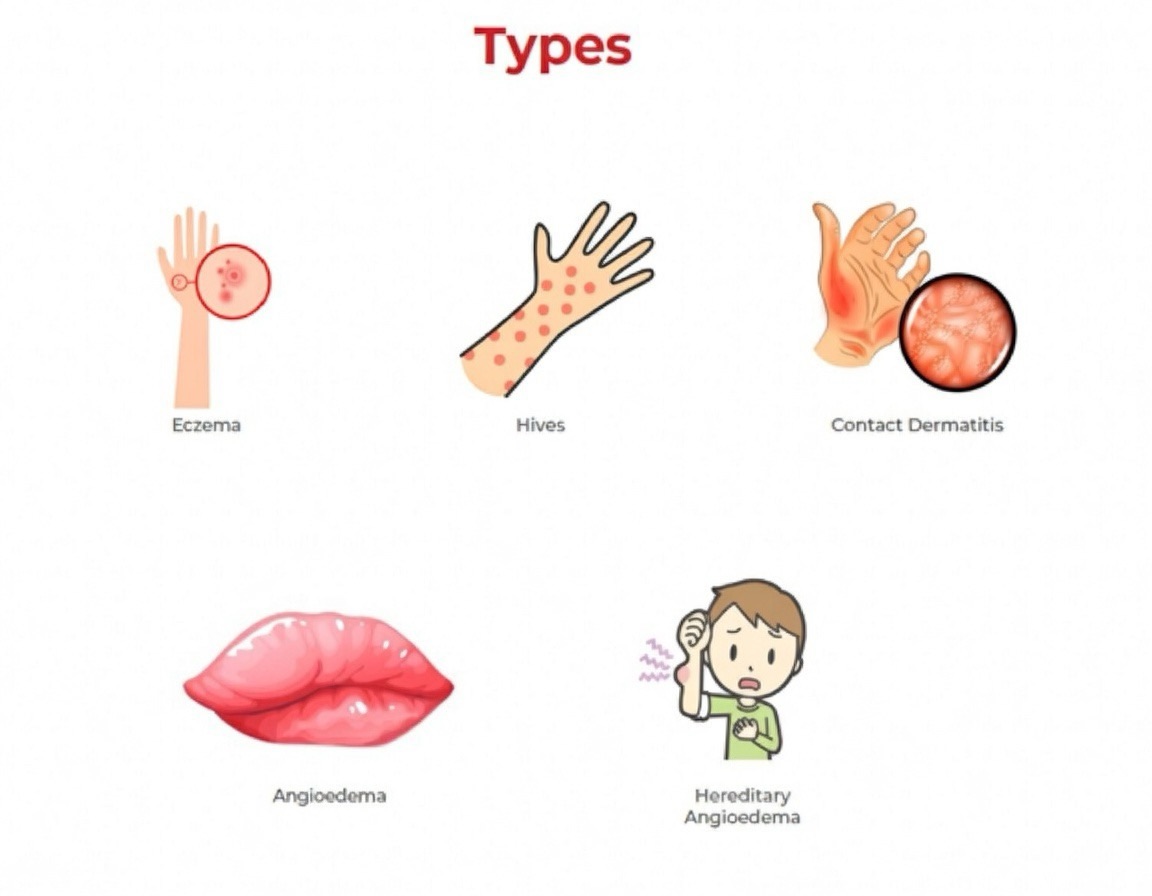
Symptoms of allergies vary depending on the allergen and the individual. Sneezing and a runny nose are common, especially in seasonal allergies. Itchy, watery eyes occur due to histamine release. Skin reactions such as hives or eczema are frequently seen in food and contact allergies.
Some individuals experience coughing and wheezing, particularly when allergies are linked to asthma. Swelling, known as angioedema, is a more severe reaction and may affect the lips, face, or throat. This situation requires immediate medical attention.
Types of Allergies
Respiratory allergies include allergic rhinitis and asthma, which affect the nose and lungs. Skin allergies involve conditions such as eczema, hives, and contact dermatitis. Food allergies occur when the immune system reacts to specific foods. Drug allergies are immune reactions to medications. Insect sting allergies can cause severe and potentially life-threatening reactions in some individuals.
Diagnosis
Diagnosis begins with a detailed medical history to identify symptoms and possible triggers. Skin prick tests are commonly used to detect sensitivity to specific allergens. Blood tests measuring IgE levels can help confirm allergic reactions. For food allergies, elimination diets may be used under professional supervision to safely identify problem foods.
Management
Avoidance of known allergens is the most effective way to manage allergies. Medications such as antihistamines, corticosteroids, and decongestants are often used to control symptoms. For long-term management, immunotherapy may be recommended. This includes allergy shots or sublingual tablets that gradually help the immune system become more tolerant.
In severe cases, emergency treatment is essential. Epinephrine is used to treat serious allergic reactions and can be life-saving when administered promptly.
Prevention
Although not all allergies can be prevented, certain steps can reduce risk. Maintaining a clean environment helps reduce dust and mites. Limiting outdoor activities during high pollen seasons may lessen symptoms. Washing hands, clothes, and hair after allergen exposure is also helpful.
Breastfeeding in infancy may lower the risk of developing allergies later in life. A healthy lifestyle supports immune balance. This includes a low carb, whole-food diet, regular physical activity, good sleep, and effective stress control.
Complications
If left untreated, allergies can lead to complications. Anaphylaxis is a life-threatening allergic reaction that requires immediate medical care. Allergies can worsen asthma and lead to breathing difficulties. Repeated nasal allergies may cause chronic sinusitis. Ongoing symptoms can also disrupt sleep and reduce overall quality of life.
Conclusion
Allergies are common but manageable conditions. With early diagnosis, proper treatment, and practical lifestyle adjustments, most people can control their symptoms and live comfortably. Education and awareness play an important role in prevention, early recognition, and long-term management. Understanding allergies is the first step toward taking control and protecting long-term health.