
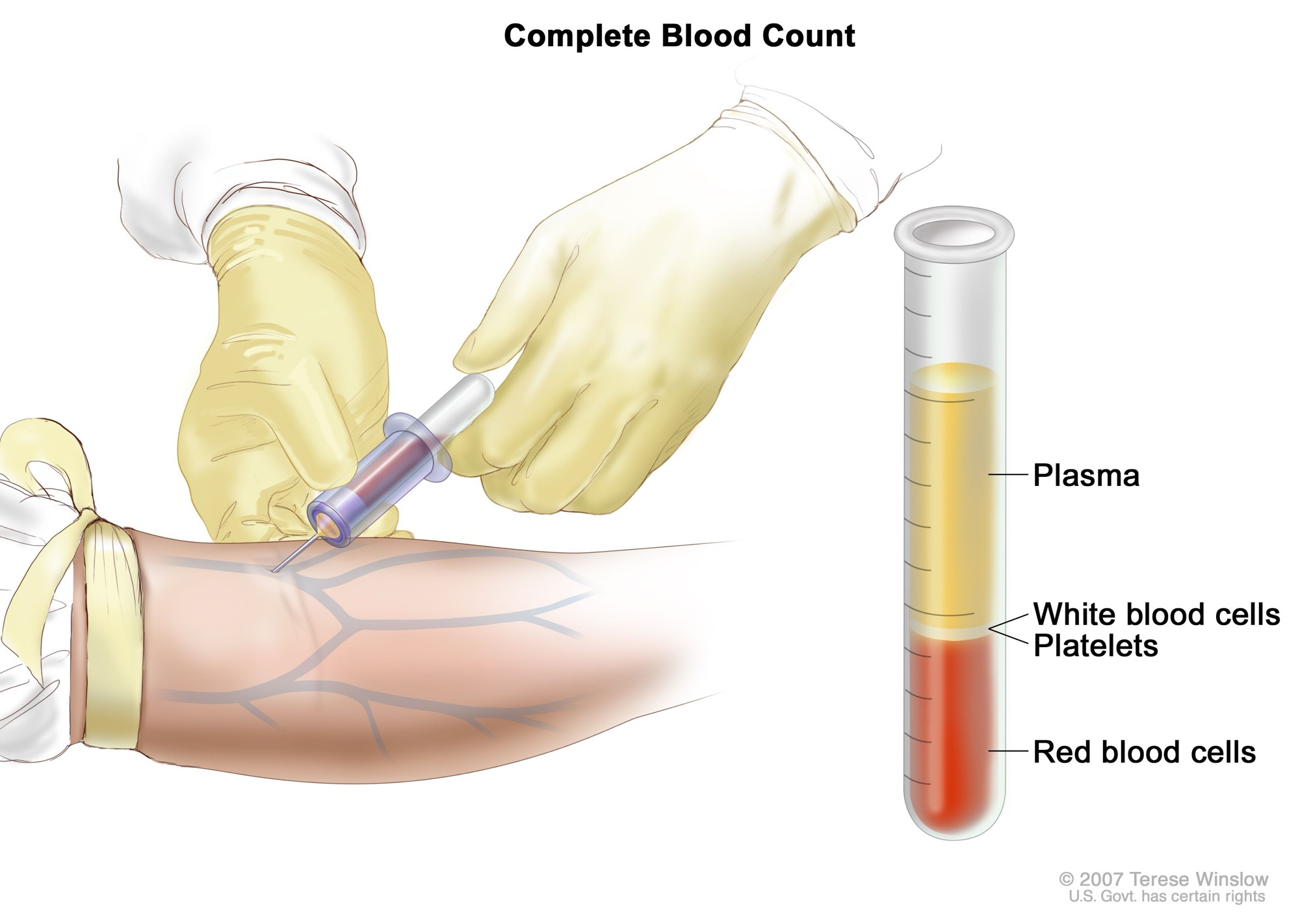
When doctors ask you to do a blood test, one of the most common ones is the Complete Blood Count (CBC).
It’s quick. It’s affordable. And it gives a surprisingly deep look into your body.
A CBC checks the main types of cells in your blood. From this single test, doctors can spot problems early, track illnesses, and see how well treatments are working.
✅ What Is a CBC Test?
A CBC measures three key parts of your blood:
- Red blood cells — carry oxygen
- White blood cells — fight infections
- Platelets — help blood clot when you’re injured
Think of it as a basic “health dashboard” for your bloodstream.
🎯 Why Doctors Order a CBC
- Check overall health
- Detect anemia (low blood levels)
- Find infections or inflammation
- Screen for blood disorders
- Monitor recovery and treatment progress
🔴 Red Blood Cells — Your Oxygen Delivery Team
Red blood cells carry oxygen from your lungs to the rest of your body.
- Too low: You may feel tired, weak, or short of breath (anemia)
- Too high: May indicate thickened blood (polycythemia)
Doctors also review hemoglobin, hematocrit, and cell size to understand the cause.
⚪ White Blood Cells — Your Immune Defense
- High count: Infection, inflammation, or serious illness
- Low count: Weaker immune defense
Types of white cells give more clues:
- Neutrophils — bacterial infections
- Lymphocytes — viral infections
- Eosinophils — allergies or parasitic infections
🟡 Platelets — Your Clotting System
- Low platelets: Higher bleeding risk
- High platelets: Possible clotting problems
Mean Platelet Volume (MPV) shows platelet size. Larger platelets may mean active production in bone marrow.
🧪 How the Test Is Done
- Small blood sample taken from a vein
- Collected in a special tube to prevent clotting
- Lab machines analyze the sample
🧠 Important: Numbers Need Context
- Symptoms
- Medical history
- Physical examination
- Other lab tests
🏁 Bottom Line
The CBC is fast, affordable, and extremely useful. A small tube of blood can reveal big insights about your health.