Most people think protein is just protein. Hit your daily number, and you’re good, right? Not quite. The body doesn’t measure protein in grams alone — it depends on amino acids, the real building blocks of every cell, enzyme, neurotransmitter, hormone, and muscle fiber in your body.
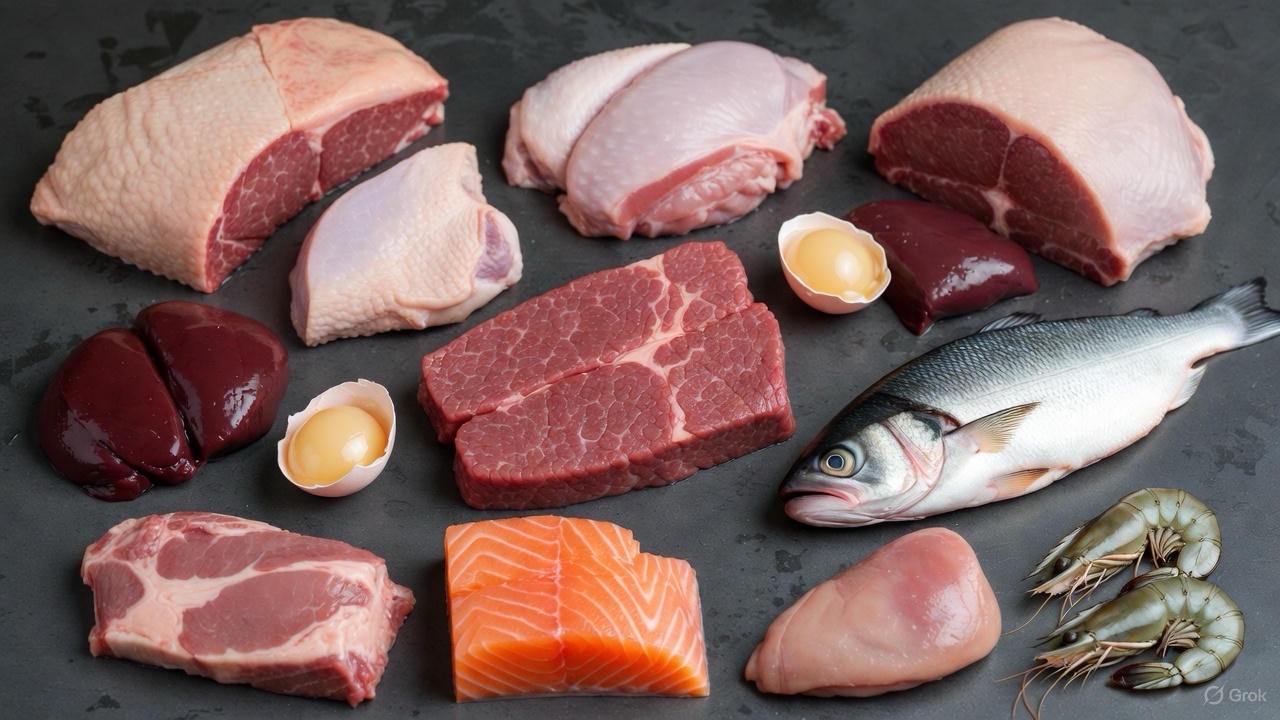
Animal protein stands apart because it delivers all essential amino acids in the precise ratios human biology needs. Plant protein may provide quantity, but rarely the quality or completeness required for long-term health, growth, and recovery.
Below explains why animal protein is essential, which amino acids plants cannot provide adequately, and what happens if your diet is low in these critical nutrients.
Why Animal Protein Matters
Animal protein is “complete.” It provides all nine essential amino acids needed for muscle repair, hormones, enzymes, neurotransmitters, immune function, detoxification, and stable metabolism. It is also highly bioavailable — meaning your body absorbs and uses it efficiently. Plants contain antinutrients like lectins and phytates that block protein and mineral absorption, which is why people relying heavily on plant protein often struggle with fatigue, weakness, brittle hair, and slow recovery.
Amino Acids Plants Cannot Provide Adequately
Methionine: Essential for detoxification, methylation, and liver function. Plant sources are low, especially grains and legumes.
Lysine: Required for collagen, immune function, and muscle repair. Grains and many plant foods are deficient.
Tryptophan: Needed for serotonin, melatonin, and mood. Plants contain small amounts but absorption is poor.
Leucine: The key trigger for muscle protein synthesis. Hard to obtain enough from plant sources without extremely large servings.
Taurine: Vital for heart function, brain development, bile production, and antioxidant defense. Exclusive to animal foods.
Creatine: Crucial for muscle strength and brain energy. Not found in plants at all.
Carnosine: A potent antioxidant concentrated in muscle and brain. Also absent in plants.
What Happens When You Don’t Eat Enough Animal Protein
1. Muscle Loss and Weakness: Without complete amino acids, creatine, and leucine, the body breaks down its own muscle. Recovery slows, strength drops, and fatigue increases.
2. Sluggish Metabolism: Low amino acids weaken thyroid function, impair fat-burning, and lead to constant cravings, afternoon crashes, and unexplained weight gain.
3. Mood Instability and Poor Sleep: Tryptophan, tyrosine, taurine, and B12 are needed for serotonin, dopamine, and melatonin. Deficiency causes anxiety, irritability, low motivation, and sleep disturbances.
4. Weakened Immunity: Immune cells, antibodies, and repair enzymes require protein. Insufficient intake increases infections, slows healing, and raises inflammation.
5. Skin, Hair, and Nail Problems: Collagen, keratin, and elastin rely on lysine, methionine, glycine, and proline — nutrients plants lack in adequate amounts. Deficiency leads to brittle hair, hair loss, dry skin, and early wrinkles.
6. Hormonal Imbalance: Hormone production requires amino acids and cholesterol. Low animal protein contributes to PMS, low libido, thyroid slowdown, blood sugar swings, and chronic fatigue.
7. Poor Brain Performance: DHA, creatine, taurine, B12, and heme iron are crucial for cognitive clarity. Low intake causes brain fog, memory lapses, and difficulty focusing.
8. Nutrient Deficiencies Plants Cannot Fix: Long-term low animal protein intake leads to deficiencies in B12, heme iron, creatine, taurine, vitamin K2, DHA/EPA, carnosine, and highly bioavailable zinc — nutrients essential for oxygen transport, heart health, immunity, and brain performance.
9. Faster Aging: Without carnosine, taurine, and full amino acids, oxidative damage accumulates faster. This results in muscle loss, sagging skin, inflammation, and reduced stamina.
The Bottom Line
You can survive on plant protein, but you cannot thrive on it. Human biology evolved around nutrient-dense animal foods. Our muscles, brains, hormones, and immune systems depend on amino acids and nutrients that plants simply cannot provide in optimal amounts. If your goals include strength, better energy, stable mood, healthy aging, or metabolic resilience, animal protein is not optional — it is essential.
Let me know if you want this converted into a Chinese version or a shorter social media post.