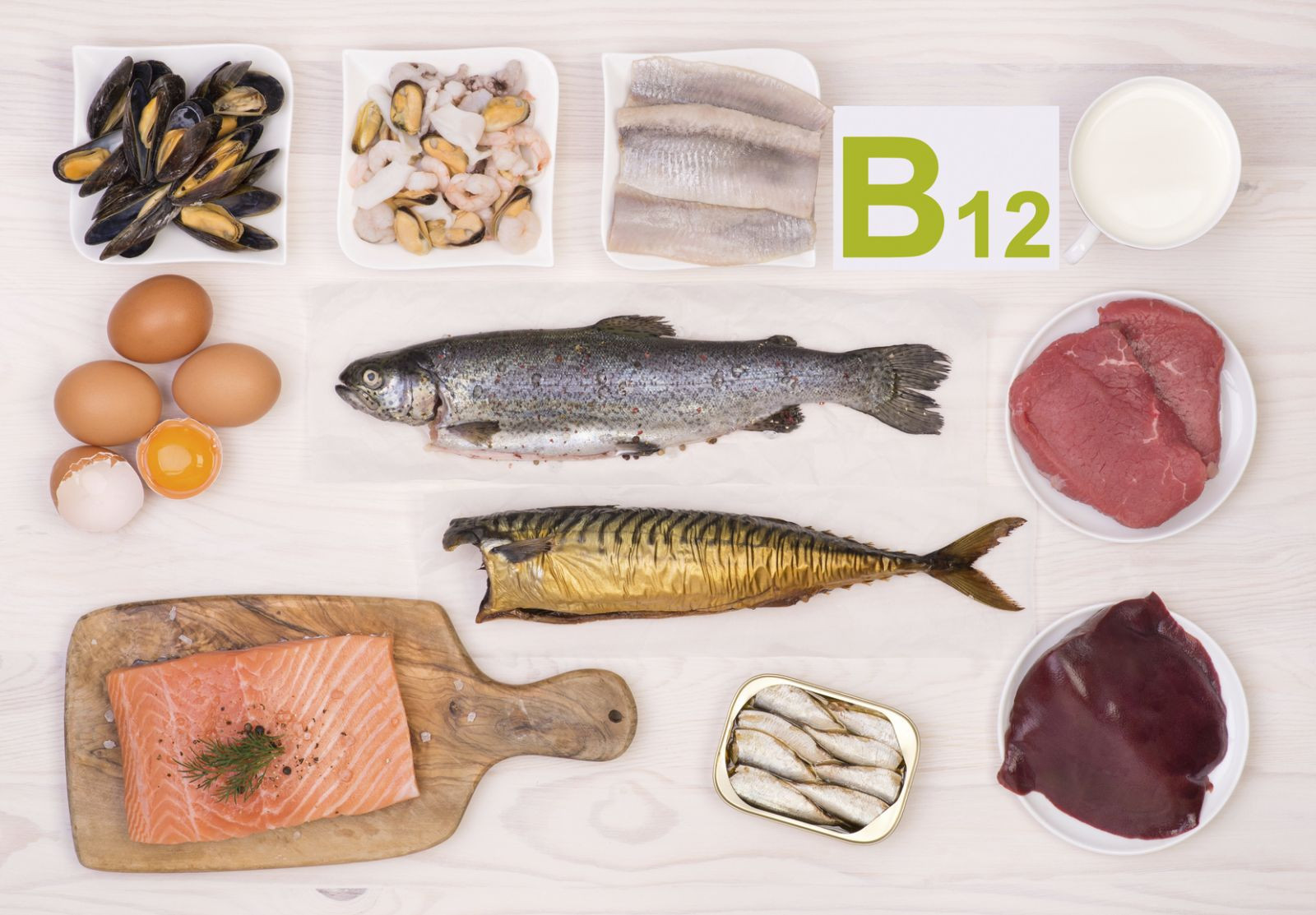

Vitamin B12 is a crucial nutrient that is indispensable for numerous vital bodily functions. Rich sources of this nutrient include animal products, fortified foods, and dietary supplements, with liver, beef, sardines, clams, and dairy products being some of the most abundant sources. Consuming these foods can significantly boost your vitamin B12 levels and help prevent […]

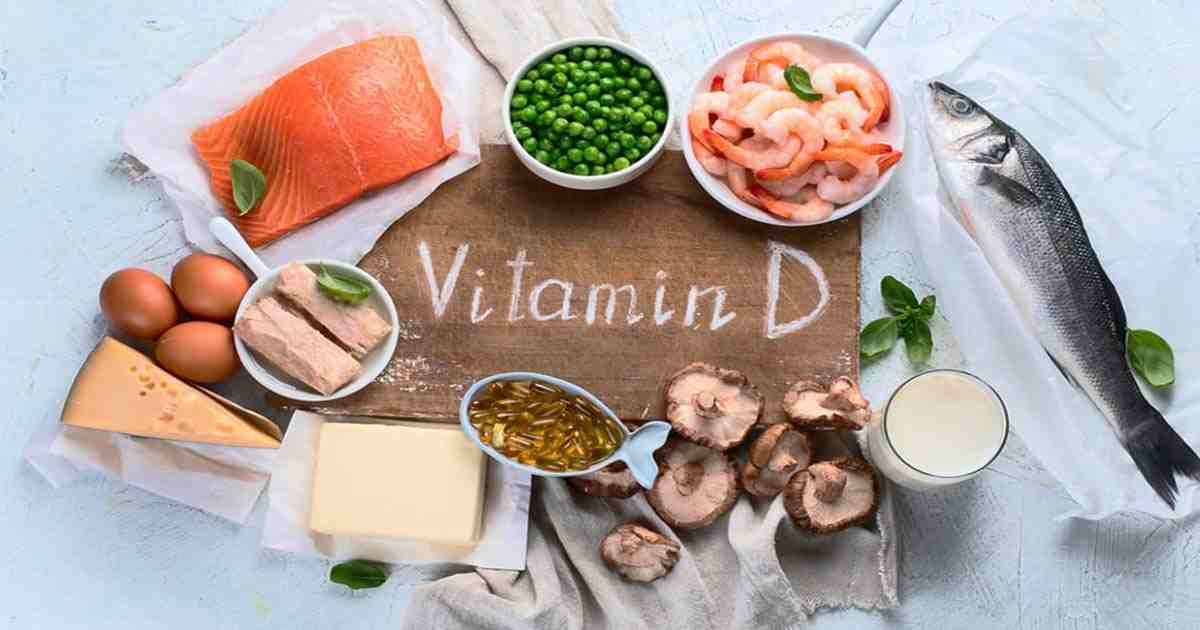
Getting enough vitamin D helps the growth and development of bones and teeth. It may also provide improved resistance to certain diseases. Vitamin D is a fat-soluble vitamin in a family of compounds that includes vitamins D1, D2, and D3. Your body produces vitamin D naturally when it’s directly exposed to sunlight. You can also

Vitamin D BenefitsRead More »

Sucrose, glucose, and fructose are three common types of sugar that are absorbed differently and have slightly different effects on the body. Whether they occur naturally in foods or are added to them also makes a big difference in how they affect your health. Sucrose is made up of glucose and fructose Sucrose is the

Sucrose vs. Glucose vs. Fructose: What’s the Difference?Read More »

Cancer cells are avid sugar-eaters. They use a significant amount of sugar. In fact, sugar can trigger cancer cell production. The reason cancer cells love sugar is that they have a different metabolism than normal cells. Cancer cells ferment sugar molecules. They are also anaerobic, meaning they are without oxygen. Doctors use PET scans—which is

Cancer and Sugar Are Best FriendsRead More »

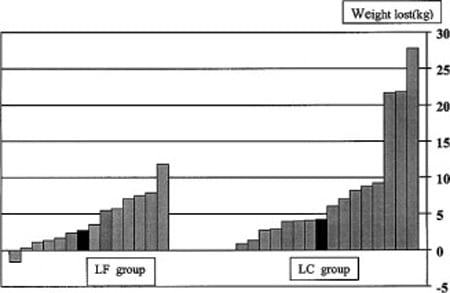
The keto diet / ketogenic diet’s increasing popularity is largely due to its potential benefits for weight loss and blood sugar control (1Trusted Source, 2Trusted Source, 3). Early evidence also suggests that this low carb, high fat diet may help treat certain cancers, Alzheimer’s disease, and other health conditions. Still, higher quality research is still

20 Good Foods to Eat on the Keto DietRead More »

How do vitamins K1 and K2 work? Vitamin K activates proteins that play a role in blood clotting, calcium metabolism, and heart health. One of its most important functions is to regulate calcium deposition. In other words, it promotes the calcification of bones and prevents the calcification of blood vessels and kidneys (3Trusted Source). Some

Vitamin K2: Everything You Need to KnowRead More »

Can eating more vegetables help you lose weight? Absolutely! But some types with high protein are better for weight loss than others. Your go-to vegetables should be the kinds that provide the most protein, nutrients, and fiber for the fewest calories. However, keep in mind that vegetables don’t provide much protein compared to meat, eggs,

The best high protein vegetables for weight lossRead More »

Many foods have Omega3 fatty acids. A diet high in certain fish, seeds, and nuts can help you get more omega-3s. Omega-3 fatty acids have various benefits for your body and brain. Many mainstream health organizations recommend that healthy adults consume at least 250–500 mg of eicosapentaenoic acid (EPA) and docosahexaenoic acid (DHA) per day.

12 Good Foods That Are Very High in Omega3Read More »

Potassium is an essential mineral that the body requires for a variety of processes. Since the body can’t produce potassium, it has to come from food. What Does Potassium Do for Your Body? A Detailed Review The importance of potassium is highly underestimated. This mineral is classified as an electrolyte because it’s highly reactive in

Good Foods That Are High in PotassiumRead More »