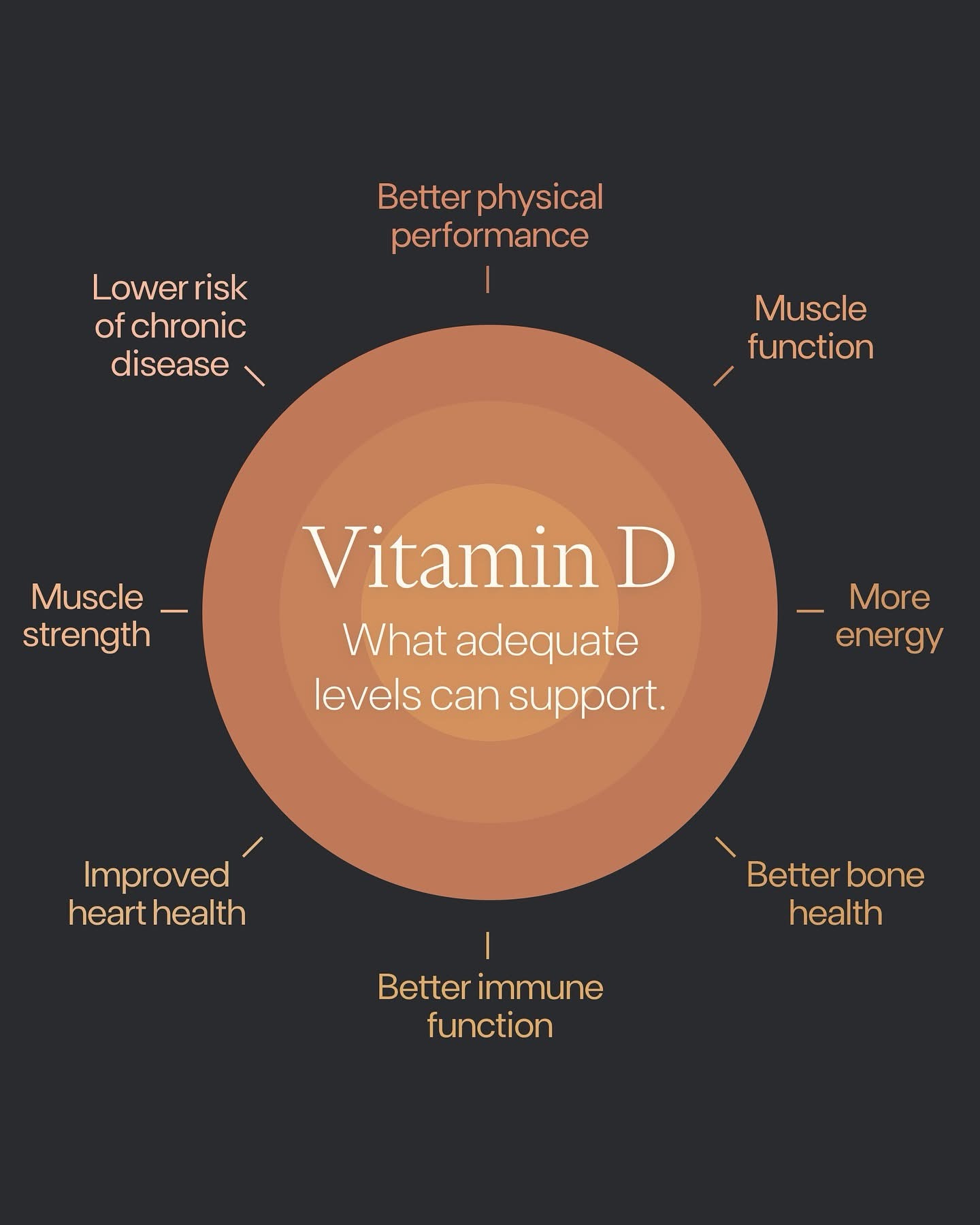
Introduction: A Nutrient We Cannot Overlook Vitamin D — often called the sunshine vitamin — is far more than a simple nutrient. Technically, it behaves like a hormone, orchestrating hundreds of processes throughout the body. For decades, most people associated vitamin D with bone health and the prevention of rickets. Today, scientific evidence paints a […]

In a remarkable case published by Frontiers in Nutrition (June 24, 2025), Moira Newiss, a UK-based nutritional therapy practitioner, recounts how a client with chronic schizophrenia achieved full remission following a strict carnivore‑ketogenic dietary protocol .
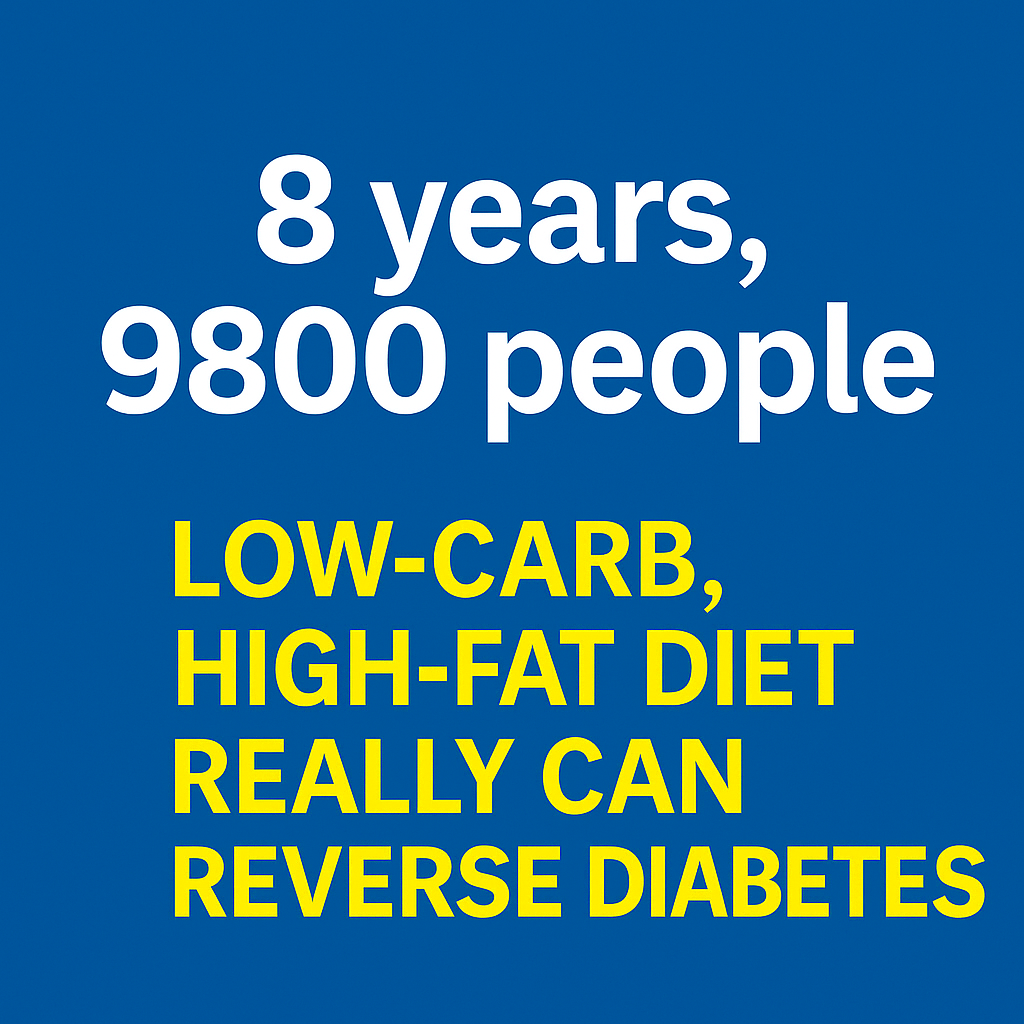
Conventional approaches rely on adding more medication or insulin, which masks symptoms but does not address the root problem: insulin resistance and metabolic dysfunction—both driven by high carbohydrate intake.
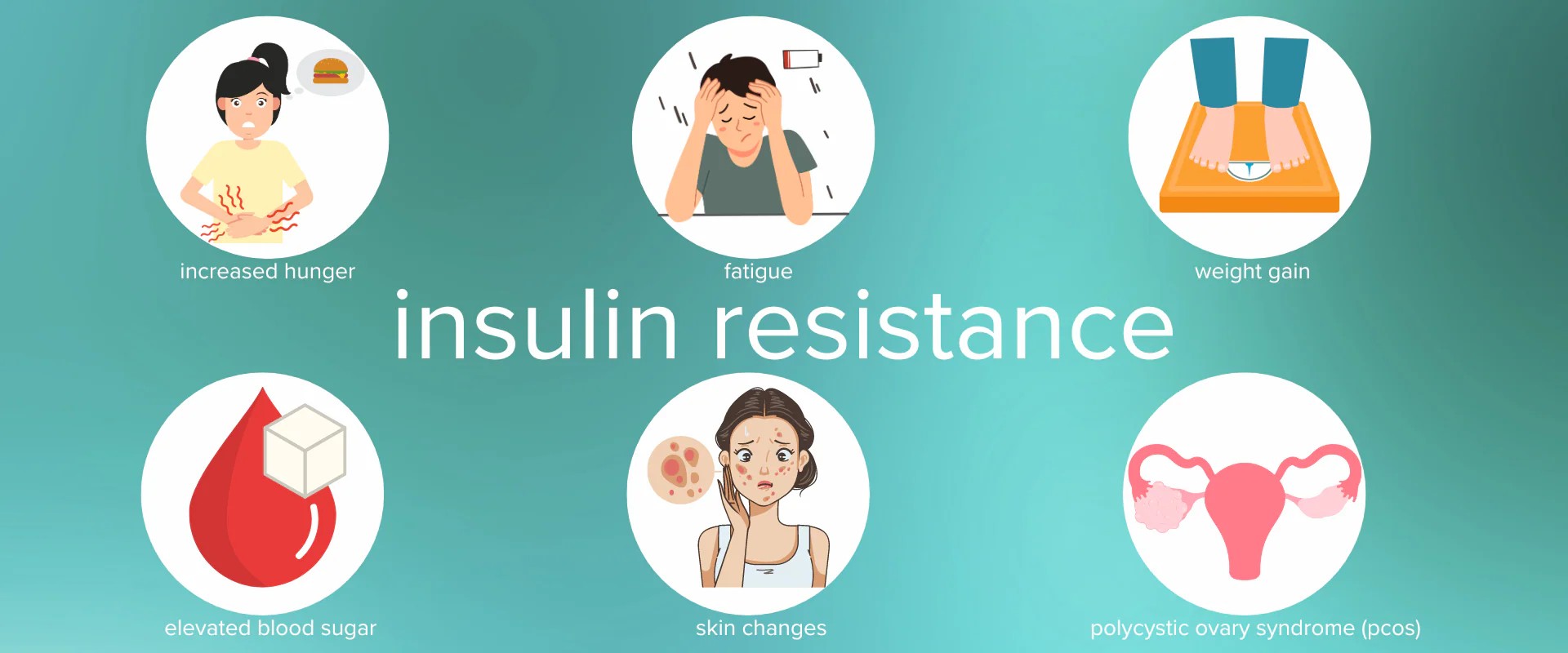
Insulin resistance is a metabolic condition in which the body’s cells respond less effectively to the hormone insulin. Insulin is crucial for regulating blood sugar (glucose) levels, as it helps cells absorb glucose from the bloodstream for energy. When cells become insensitive to insulin, the body requires higher insulin levels to maintain blood sugar, leading
Insulin Resistance: Mechanisms, Symptoms, Consequences, and ManagementRead More »
Experts recommend that males consume 15.5 cups (3.7 liters) of water daily and females 11.5 cups (2.7 liters). But environmental factors such as temperature and other health conditions may affect your water needs.
Salt — primarily composed of sodium chloride — is one of the most fundamental nutrients for human health and survival. Though often vilified in public health campaigns, salt is not merely a seasoning; it is a biological necessity. It supports essential processes ranging from nerve signaling to digestion, fluid regulation, and even food preservation. Yet,
The Importance of Salt in Human Health: A Balanced PerspectiveRead More »
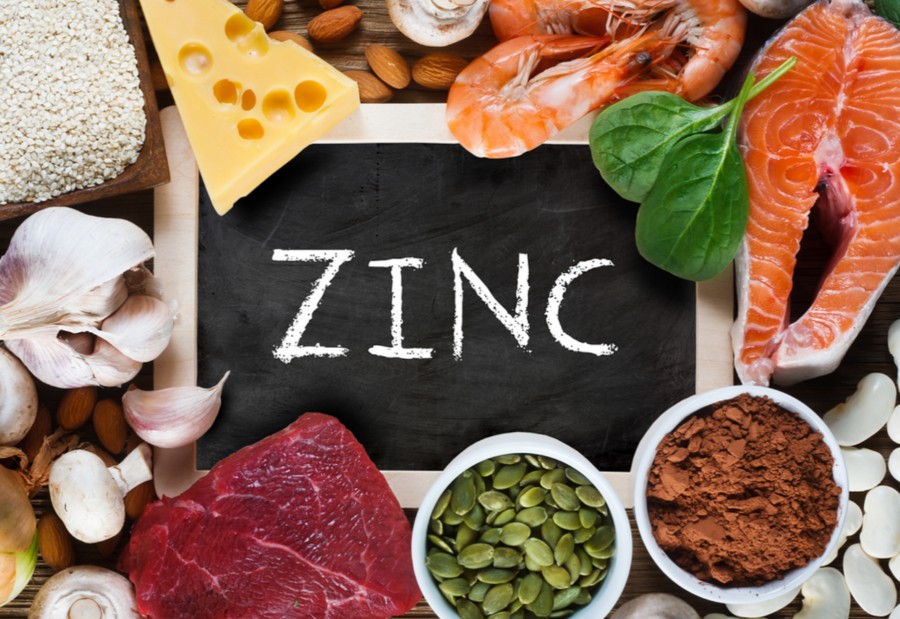
Zinc is an essential nutrient found in a variety of plant and animal foods, along with supplements. It plays a key role in skin health, immune function, and cell growth and may protect against acne, inflammation, and other conditions.
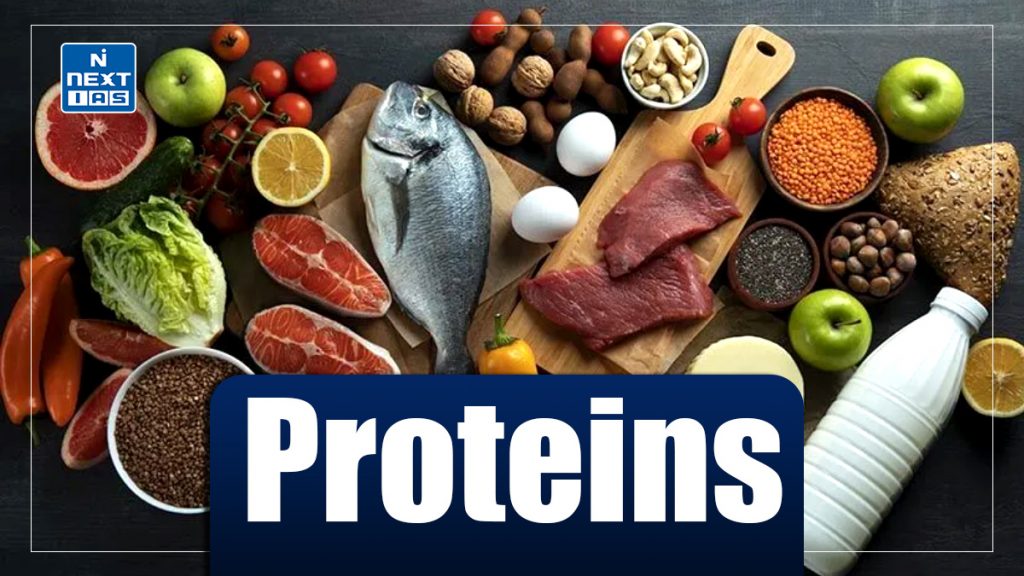
Eating protein can make you feel full longer. It may provide many health benefits, including increasing muscle mass, improving bone density, and promoting weight loss, amongst others. Protein is one of three macronutrients, along with fats and carbohydrates. It’s one of your body’s key building blocks, as it plays an important role in supporting your cells, organs,
Insulin resistance lies at the heart of a metabolic cascade that can culminate in type 2 diabetes, cardiovascular disease, kidney failure, and more. Dr. Éric Thorin’s insightful article emphasizes that the combination of excess dietary fat—particularly visceral adiposity—and sugar intake triggers inflammatory processes in the body, disrupting normal glucose regulation .
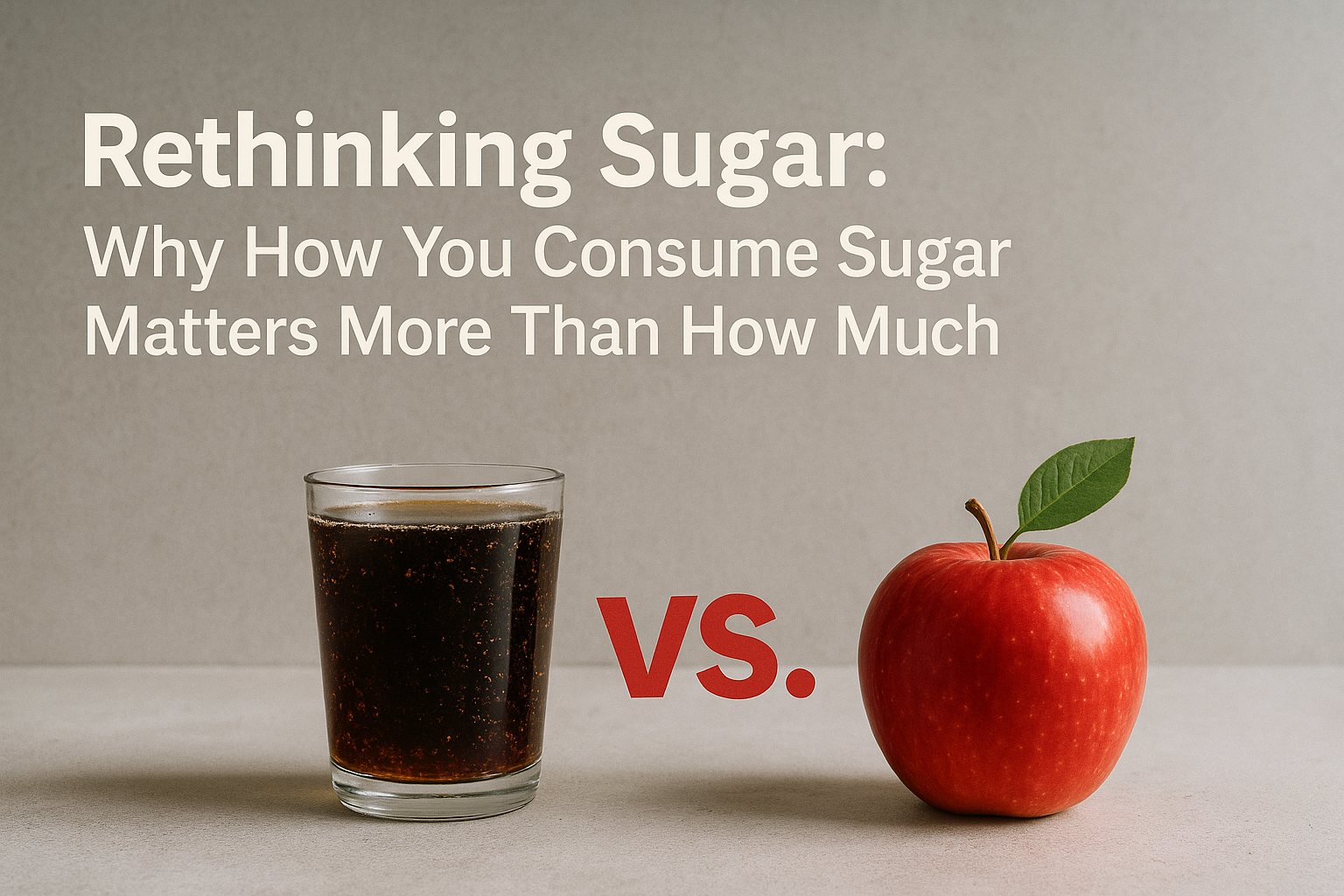
A new global study from Brigham Young University (BYU) is turning our understanding of sugar and diabetes upside down. While many health guidelines warn against eating too much sugar, this research suggests that where the sugar comes from—solid food or drinks—may be even more important than how much you consume.